
Soap Ingredients and Additives
Discover the essentials of soap making with our comprehensive guide on oils, lye, fragrances, colorants, and botanicals for beautiful, effective soaps.
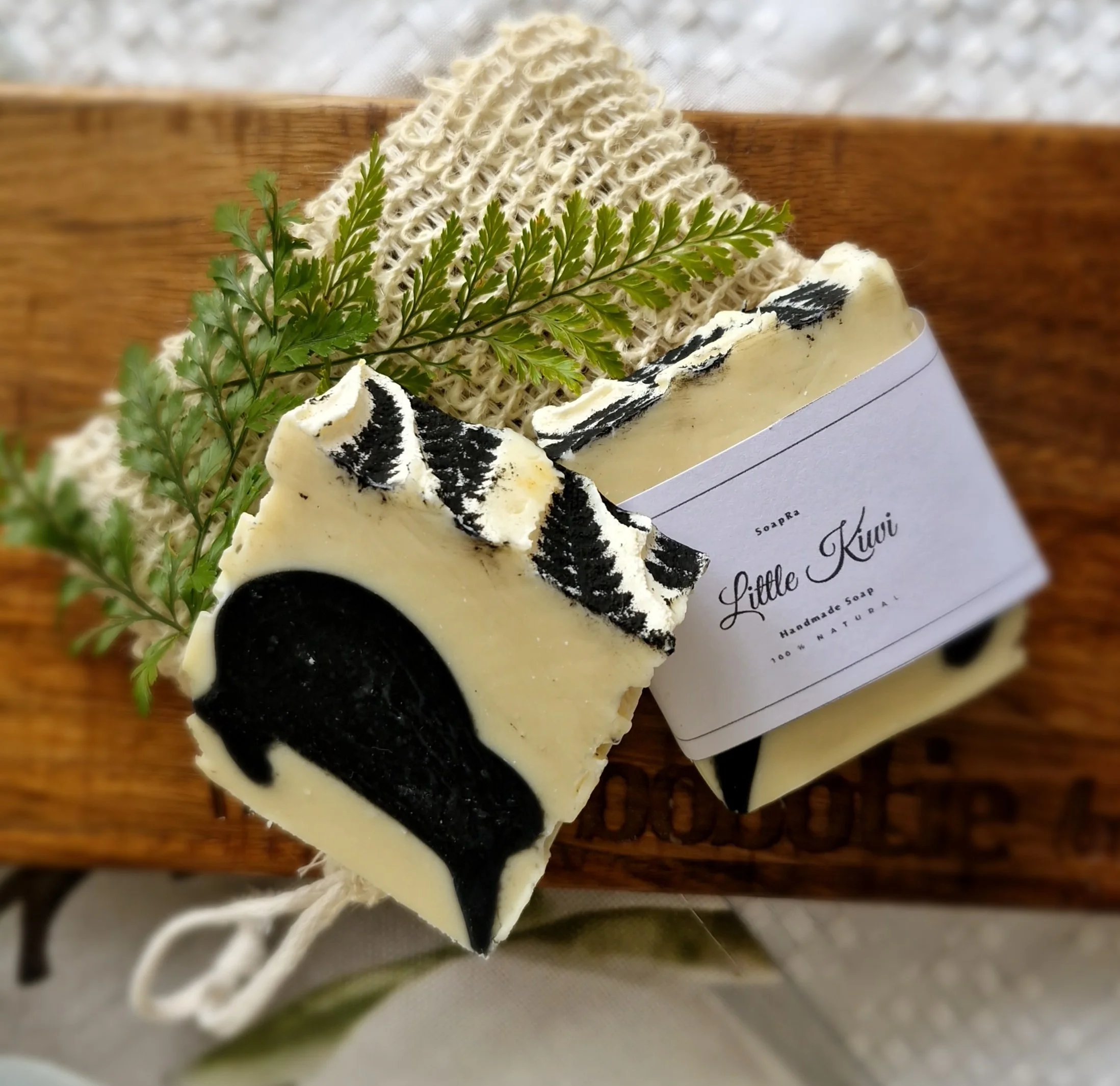
Understanding the Heart of Natural Soap 🧼
A beautiful bar of natural soap begins with three simple yet essential elements — fats, Water, andlye. These form the foundation, but it’s the thoughtful blend of herbs, exfoliants, fragrance oils, essential oils, and natural colorants that transforms a basic bar into something truly special.
Each ingredient brings its own character: herbs can soothe or invigorate, exfoliants gently polish the skin, and aromatic oils awaken the senses with every lather. By learning about these components, you can choose a soap that not only cleanses but also reflects your personal needs and preferences.
With our guide to soap ingredients and additives, you’ll be able to make an informed, confident choice — selecting a bar that feels as good for your skin as it does for your spirit.
Oils and Butters
Introduction to 🌿Oils and 🧈Butters
All soaps need an oil or butter to enhance the moisturizing and lathering properties and to influence the overall design of the bar.
We explain some of the more common varieties of oils and butters you could include in your recipe.
Common Oils
🌱 Castor Oil
Castor oil is a beloved ingredient in artisan soap for its rich, conditioning qualities and its ability to transform a simple bar into a creamy, skin‑loving experience. Its unique fatty acid profile makes it one of the most effective natural boosters for lather, moisture, and overall skin feel.
🌱 Castor Oil in Soap
Deep Moisturization
Castor oil is rich in Ricinoleic acid, a fatty acid that acts as a natural humectant, drawing moisture from the air into the skin. This makes it an excellent solution for dry and flaky skin, helping to lock in hydration and prevent moisture loss. Regular use can leave your skin feeling soft, supple, and radiant.
Anti-Aging Properties: he antioxidants present in castor oil help combat free radicals, which contribute to premature aging. By promoting collagen production, castor oil can reduce the appearance of fine lines and wrinkles, improving skin elasticity and keeping your complexion youthful.
Acne Treatment: Despite being an oil, castor oil does not clog pores. Its antibacterial and antifungal properties help combat acne-causing bacteria, while its anti-inflammatory effects can reduce redness and swelling associated with breakouts. Additionally, it helps balance oil production, making it suitable for oily and acne-prone skin.
Helps create a well‑rounded, skin‑loving bar: In natural soap making, castor oil acts as a lather enhancer, humectant, and conditioning agent all at once. It supports the performance of other oils — especially coconut, olive, and shea — helping create a bar that feels luxurious from first touch to final rinse.
Soothing Inflammation: The anti-inflammatory properties of castor oil make it beneficial for calming irritated skin conditions such as eczema and psoriasis. It can help reduce redness and irritation, providing relief for sensitive skin. Castor oil contains up to 90% ricinoleic acid, a fatty acid shown to help reduce inflammation and calm irritated skin.
Brightening Skin Tone: Regular application of castor oil can promote skin cell turnover, helping to fade dark spots and uneven skin tone. This can result in a brighter, more even complexion over time. Castor oil contains omega‑3 fatty acids that help nourish the skin and support the growth of fresh, healthy cells — a key factor in improving overall radiance and tone.
Helps balance cleansing oils like coconut oil: Coconut oil can be drying in high amounts, but castor oil helps counterbalance this by adding a soothing, humectant quality. This creates a bar that feels both cleansing and calming — ideal for sensitive‑skin formulations.
🥥 Coconut Oil
This helps to create an excellent lather and is best suited for people who do not suffer from dry skin. It is deep cleansing and produces a bubbly, hard bar of soap. It’s known for its anti-fungal and antibacterial properties, making it ideal for acne-prone skin.
🥥 Coconut Oil in Soap
Velvety hydration for radiant skin:Coconut oil is naturally rich in medium‑chain fatty acids that help support the skin’s moisture balance, leaving it feeling supple and pampered.
Anti-Inflammatory Effects: The anti-inflammatory properties of coconut oil can help soothe irritated skin and reduce redness. Lauric acid, which makes up about 49% of coconut oil, has been shown to alleviate symptoms associated with inflammatory skin conditions. Applying coconut oil can provide relief for conditions like dermatitis and eczema by calming inflammation and promoting healing.
Antimicrobial Benefits: Coconut oil possesses antimicrobial properties, making it effective against certain bacteria and fungi. This can be beneficial for minor cuts, scrapes, and even acne, as it may help reduce the bacteria that contribute to inflammatory acne. However, it is important to note that coconut oil is comedogenic, meaning it can clog pores, so it may not be suitable for everyone, particularly those with oily or acne-prone skin
A gentle cleanse with a soft finish: When thoughtfully blended into natural soap,coconut oil helps create a bar that cleanses without stripping, offering a smooth, comforting after‑feel. Unlike harsh antibacterial chemicals, coconut oil’s purifying benefits come directly from nature. This makes it a beautiful choice for those seeking a more holistic, skin‑friendly cleansing experience.
🫒 Olive Oil
Rich in antioxidants and vitamins A, D, E, and K, olive oil is celebrated for its moisturizing and nourishing properties. It produces a gentle soap that is excellent for sensitive skin.
🫒 Olive Oil in Soap
Moisturizes the Skin: Olive oil is rich in squalene and vitamin E, which help to lock in moisture and improve the skin's hydration levels. Olive oil is rich in oleic acid, which helps soften and hydrate the skin, making it ideal for dry or sensitive skin.
Reduces Signs of Aging: The antioxidants found in olive oil, such as hydrophilic phenols, combat oxidative stress, which is linked to skin aging. Regular application can help improve the appearance of fine lines and wrinkles.
Soothes Inflammation: Olive oil has anti-inflammatory properties that can help alleviate skin conditions like psoriasis and eczema. It may provide relief from itching, irritation, and redness associated with these conditions.
Cleanses the Skin: Olive oil can effectively dissolve oily residues and remove makeup, making it a natural cleanser. Unlike harsh detergents, olive oil soap cleans without removing the skin’s natural oils, helping maintain a healthy moisture barrier.
Promotes Wound Healing: The antimicrobial properties of olive oil can aid in wound healing and skin repair. It helps to protect the skin from infections while promoting faster recovery.
Soothing for sensitive skin: It’s mild nature makes olive oil soap suitable for delicate, reactive, or baby skin, as noted in traditional Castile soap benefit
🌾Rice Bran Oil
Rice bran oil is rich in antioxidants, vitamins B and E, and squalene. It’s excellent for anti-aging and moisturizing dry, sensitive skin.
🌾Rice Bran Oil in Soap
Anti-Aging Effects: Rice bran oil is rich in vitamin E and ferulic acid, which help protect the skin from free radicals, reducing the appearance of fine lines, wrinkles, and age spots. Its antioxidant properties combat oxidative stress, promoting a youthful complexion.
Moisturization: This oil is an excellent moisturizer due to its high content of fatty acids, including oleic and linoleic acids. It penetrates deeply into the skin, locking in moisture and keeping the skin hydrated and supple without leaving a greasy residue.
Skin Brightening: Rice bran oil contains compounds like phytic acid and oryzanol, which can help even out skin tone and reduce dark spots, leading to a brighter complexion.
Anti-Inflammatory Properties: Rice bran oil has soothing properties that can help alleviate conditions like acne, eczema, and dermatitis. It reduces redness and irritation, making it suitable for sensitive skin.
Improvement of Skin Texture: Regular use of rice bran oilcan enhance skin texture, making it smoother and more elastic. It supports the skin's natural barrier, improving overall skin health.
Non-Comedogenic: Rice bran oil has a low comedogenic rating, meaning it is unlikely to clog pores, making it suitable for most skin types, including oily and acne-prone skin.
Rich in Antioxidants: In addition to vitamin E, rice bran oil contains other antioxidants like beta-carotene and CoQ10, which help protect the skin from environmental damage and promote a healthy glow.
🌻 Sunflower Oil
Sunflower oil is loved in natural soap making for its light texture, skin‑nourishing vitamins, and beautiful moisturizing properties. It creates a gentle, conditioning bar suitable for almost every skin type.
🌻 Sunflower Oil in Soap
Deeply moisturizing and nourishing: Sunflower oil is rich in vitamin E and fatty acids, which help hydrate and soften the skin — making it ideal for gentle, skin‑loving soaps.
Skin Protection: It contains antioxidants like Vitamin E, which protect the skin from free radical damage and environmental stressors.
Soothing Properties: Sunflower oil is gentle and can soothe sensitive skin, reducing irritation and redness.
Improved Skin Tone: It can help improve skin tone and texture, reducing the appearance of scarring and stretch marks. Sunflower oil is naturally rich in vitamin E, antioxidants, and essential fatty acids, all of which help support a smoother, more even‑looking complexion. While soap is a rinse‑off product, sunflower oil still contributes to a soft, radiant, healthy‑looking glow.
Barrier Restoration:Linoleic acid helps strengthen the skin’s natural barrier. The essential fatty acids in sunflower oil help restore the skin barrier, protecting against UV damage.
These benefits make sunflower oil a versatile option for various skin types.Suitable for all skin types — especially dry or sensitive skin: Because it’s lightweight and non‑comedogenic, sunflower oilworks beautifully in soaps meant for sensitive, dry, or weather‑damaged skin.
🧈Butter
It’s unique blend of vitamins, fatty acids, and anti‑inflammatory compounds makes it one of the most effective natural butters for creating high‑quality, gentle soap bars.
🧈 Shea Butter in Soap
Deep Moisturization: Shea butter is known for its ability to deeply hydrate the skin, making it ideal for dry skin. Shea butter is rich in fatty acids (oleic, stearic, linoleic) that deeply moisturize and soften the skin, making soap feel creamy and conditioning.
Anti-Inflammatory Properties: Shea butter contains compounds that help reduce inflammation and soothe irritation. Shea butter contains cinnamic acid derivatives, which help calm irritation and reduce inflammation — ideal for sensitive or dry skin.
Antioxidant Protection: With natural antioxidants like vitamins A and E, shea butter helps protect the skin from environmental stressors and supports a smoother, more youthful appearance.
Sun Protection: It provides a degree of protection against UV rays, helping to prevent sunburn. It offers a small amount of natural sun protection thanks to its unique blend of vitamins and cinnamic acid derivatives. While this does not replace sunscreen, it can add a gentle, skin‑supportive layer.
Versatile Use: Suitable for both dry and oily skin, it can also help reduce fine lines and soothe conditions like eczema. Shea butter is non‑comedogenic and soothing, making it suitable for sensitive, dry, mature, and even baby skin. These benefits make shea butter a valuable addition to skincare routines.
🐄 Tallow
Is a rendered form of beef or mutton.
🐑 Tallow in Soap
Tallow has been used for centuries to create creamy, long‑lasting, deeply conditioning soap bars. Its fatty‑acid profile is remarkably similar to human skin oils, making it one of the most skin‑compatible ingredients you can use.
Superior moisturizing properties: Tallow is rich in fatty acids that closely resemble the natural oils in human skin, helping keep the skin soft, hydrated, and nourished.
Improves Skin Barrier: Tallow can enhance the skin barrier. Because it’s fatty acids mimic human sebum, tallow helps strengthen the skin barrier and reduce dryness helping to retain moisture and protect against environmental damage.
Rich in Vitamins: Tallownaturally contains vitamins A, D, E, and K, plus skin‑supportive minerals like zinc and selenium which support skin health by promoting cell turnover, reducing wrinkles, and providing antioxidant protection. These help support skin health and resilience.
Enhances Absorption: Tallow can act as a vehicle for delivering other beneficial ingredients into the skin, improving their effectiveness.
Historical Use: Tallow has been used for centuries in skincare, indicating its long-standing reputation for treating various skin ailments. Tallow is a by‑product of the meat industry, making it a sustainable, zero‑waste ingredient when sourced responsibly.
⚗️ Lye
What is ⚗️Lye?
Lye is an alkaline chemical and is a term used to refer to Sodium Hydroxide (NaOH) and Potassium Hydroxide (KOH). When using lye in soap making it is blended into a mixture to make a solution for the saponification process, where the oils, fats and lipids are turned into the soap base.
⚗️🔥 The Old‑World Story of How Lye Was First Discovered
Long before anyone knew the word chemistry, people were already making soap — almost by accident.
Legend says it began on a hillside where families cooked their meals over open fires. These fires burned day after day, season after season, leaving behind piles of soft, white ash. When heavy rains came, the water trickled down through the ashes, carrying something special with it: a slippery, alkaline liquid.
Women washing clothes in the river noticed something strange. Where the rainwater had flowed through the ashes, the water felt different — slick, almost silky. And when they scrubbed their wool and linens in it, the fabric came out cleaner than ever before.
Curious, they began collecting this magical runoff in clay pots. They didn’t know it yet, but they had just created lye water — the earliest form of sodium or potassium hydroxide.
Over time, people learned that when this ash‑water was mixed with melted animal fats from cooking fires, something remarkable happened. The mixture thickened, warmed, and transformed into a solid, creamy substance that washed dirt away better than anything they’d ever used.
They had discovered soap — and lye was the key.
As centuries passed, the process became more refined. Ashes from hardwood trees were prized for making the strongest lye. Soapmakers became part chemist, part alchemist, carefully balancing ash‑water and fats to create bars that were treasured for bathing, laundry, and even medicine.
Today, we use purified, food‑grade sodium hydroxide instead of ash water, but the heart of the process is the same. Lye is still the ingredient that transforms oils and butters into real, gentle, skin‑loving soap — just as it did thousands of years ago.
Types of Lye
🧪 Sodium Hydroxide (NaOH)
Sodium hydroxide in soap making is the most common choice, as it is less expensive than potassium hydroxide.
People often ask whether my soap contains lye — and the answer is both yes and no.
Lye (Sodium Hydroxide) is a key ingredient in traditional soap making. It’s the catalyst that transforms oils into soap through a natural chemical reaction calledsaponification. This means real soap can’t be made without lye — so in that sense, the answer is yes.
But here’s the part most people don’t realize: Once the soap is properly made, all the lye is completely used up in the saponification process. There’s no active lye left in the finished bar. What you’re left with is gentle, nourishing, beautifully crafted soap. So the answer is also no.
For safety and consistency, I use high‑purity, cosmetic‑grade Sodium Hydroxide. This ensures every batch is clean, balanced, and made to the highest standard.
If you ever see a product claiming to be “lye‑free,” it’s either a synthetic detergent bar or a soap made from a pre‑manufactured base — and that base was originally made with lye too.
How can you tell you’re buying real soap? Look for Sodium Hydroxide on the ingredient list, or for oils listed in their saponified form — for example, coconut oil becomes Sodium Cocoate, and olive oil becomes Sodium Olivate. Sometimes labels simply say “saponified oils of…,” which means the same thing.
⚗️ Potassium Hydroxide (KOH)
Potassium Hydroxide (KOH), also known as caustic potash, is the alkali used to turn oils and fats into liquid soap. It performs the same job that Sodium Hydroxide does for bar soap — it triggers the chemical reaction called saponification, which transforms oils into actual soap.
Why ⚗️KOH is essential
It saponifies oils: KOH breaks down fats and oils so they can become soap molecules. Without it, liquid soap cannot form at all.
It creates liquid or soft soap: Unlike Sodium Hydroxide, which produces hard bars, KOH produces a paste that dilutes into liquid soap or stays semi‑soft for shave soaps.
It fully reacts and disappears: When the recipe is correctly formulated, all the KOH is consumed during saponification, leaving no active potassium hydroxide in the finished product — only gentle, skin‑friendly soap.
It ensures purity and consistency: Cosmetic‑grade KOH allows soap makers to calculate exact usage rates and create a clean, stable product every time.
🧉 Ingredients and Additives
⚫ Activated Charcoal
Activated charcoal is celebrated for its deep‑cleansing, detoxifying, and clarifying properties — and the search results strongly support that reputation. RusticWise notes that activated charcoal is widely used for removing toxins and is a popular ingredient in skincare because of its ability to purify the skin. Healthline also highlights charcoal’s ability to trap impurities, which is why it appears in so many cleansers and masks.
⚫Activated Charcoal in Soap
Deep‑cleansing action: Activated charcoal binds to dirt, oil, and impurities, helping lift them from the skin’s surface for a cleaner fee.
Helps unclog pores : It’s porous structure allows it to absorb buildup, making it popular for acne‑prone or congested skin.
Balances oily skin: Charcoal can help absorb excess sebum without stripping the skin, supporting a more balanced complexion.
May support clearer skin: Many users report improvements in breakouts thanks to charcoal’spurifying qualities, though the results vary and claims should be realistic.
Gentle exfoliation: Finely powdered charcoal adds a mild exfoliating effect, helping smooth the skin’s texture.
Detoxifying feel: Charcoal’s ability to bind impurities gives soap a “detox” sensation that customers love, even if the term is more sensory than scientific.
🍂 Cinnamon
Ground cinnamon is a warm, aromatic spice that brings both skincare benefits and sensory appeal to handmade soap. According to the search results, cinnamon offers antibacterial, antifungal, antioxidant, and stimulating properties
🍂 Ground Cinnamon in Soap
Natural antibacterial cleansing: Cinnamon contains strong antibacterial and antifungal compounds, helping support cleaner, clearer skin.
Deep‑cleansing and purifying action: It’s antimicrobial and antiseptic qualities help remove impurities and support healthy skin hygiene.
Warm, stimulating effect on the skin: Cinnamon is known as a natural stimulant, which can help invigorate the skin’s surface and enhance circulation.
Anti‑inflammatory and antioxidant support : Cinnamoncontains natural antioxidants and anti‑inflammatory compounds that help soothe and protect the skin.
Natural exfoliation : Ground cinnamon adds a gentle scrubby texture, helping lift away dead skin cells for a smoother feel.
🪨Diatomaceous Earth
Diatomaceous earth is a silica‑rich, fossil‑based mineral powder made from the remains of microscopic algae called diatoms. Its unique texture and mineral content make it a beautiful addition to natural soap.
🪨Diatomaceous Earth in Soap
Gentle, natural exfoliation: DE provides mild, effective exfoliation that helps remove dead skin cells without scratching the skin.
Absorbs excess oils and impurities:DE Its porous structure gives it excellent oil‑absorbing properties, helping cleanse and detoxify the skin.
Promotes smoother, brighter skin: By lifting away buildup and impurities, DE helps improve skin texture and radiance.
Adds a silky feel to soap:DEcontributes to a smooth, creamy lather and enhances the overall skin feel of the bar.
Natural, eco‑friendly ingredient: DE is a mineral‑based, biodegradable ingredient that aligns well with natural and sustainable product values.
🫘 Fresh Coffee Grounds
Fresh coffee grounds bring bothfunctionaland sensory benefits to handmade soap. According to multiple sources, coffee grounds add exfoliation, aroma, anti‑inflammatory support, and even odor‑neutralizing properties.
🫘 Fresh Coffee Grounds in Soap
Natural exfoliation: Coffee grounds act as tiny scrubbers that gently remove dead skin cells, leaving skin smoother and brighter.
Improves circulation: Exfoliation withcoffee grounds can help stimulate the skin’s surface and support healthy circulation.
Anti‑inflammatory: Coffeecontains compounds that may help calm redness and puffiness, offering a soothing effect on the skin.
Odor‑neutralizing properties: Coffee grounds naturally help absorb and neutralize strong odors — great for kitchen or gardener’s soaps.
Invigorating aroma: Fresh coffee grounds add a warm, energizing scent that enhances the shower experience.
Caffeine‑related skin benefits: Some sources note that caffeine may help invigorate the skin and reduce the appearance of puffiness or fine lines.
🫚 Ginger
Ginger is a powerful natural ingredient in soap because it boosts circulation, reduces inflammation, helps fade dark marks, and provides antioxidant protection for healthier, brighter skin.
🫚 Ginger in Soap
Stimulates Blood Circulation: Ginger naturally warms the skin and increases circulation : Improved circulation can help the skin look more radiant and healthy. This warming effect also makes ginger soaps popular for invigorating morning showers.
Helps Fade Dark Spots & Scars : Gingeris known for its ability to reduce the appearance of hyperpigmentation. Lighten dark marks left by acne or scars and even out skin tone.
Anti‑Inflammatory & Soothing: Ginger contains natural anti‑inflammatory compounds (like gingerol). It helps calm irritated skin, reduces redness and can support acne‑prone or inflamed skin.
Deep Cleansing & Detoxifying: Gingerhas natural antimicrobial and detoxifying properties. It helps cleanse pores, removes impurities and leaves skin feeling fresh and clean.
Antioxidant Protection (Anti‑Aging): Ginger is rich in antioxidants that help fight free‑radical damage. It supports firmer, more youthful‑looking skin and helps protect the skin barrier.
May Improve Skin Texture: Regular use of ginger soap may help smooth rough patches. Improve overall skin feel and promote a healthy glow.
🍯 Honey
Honey is one of the most loved natural skincare ingredients — and for good reason. Your search results highlight its moisturizing, soothing, antibacterial, and radiance‑boosting qualities
🍯Honey in Soap
Natural humectant for deep moisture: Honey draws moisture from the air and helps lock it into the skin, keeping it soft and hydrated.
Supports acne‑prone skin: Raw honey contains hydrogen peroxide and has a naturally low pH, creating an environment where bacteria struggle — making honey soap helpful for acne‑prone or irritated skin.
Soothes dryness and irritation: Honey is known for calming dry, itchy, or sensitive skin, offering gentle comfort during cleansing.
Rich in antioxidants: Honeyis packed with antioxidants that help protect the skin from environmental stressors and support a healthy glow.
Promotes a radiant, even complexion: Many honey‑based soaps are praised for brightening dull skin and helping improve overall tone and texture.
Natural, gentle cleanser: Honey helps cleanse without stripping natural oils, making it ideal for dry or delicate skin types
🌈 Mica
Mica’s are vibrant, shimmering colorants made from naturally occurring minerals that add beautiful, long‑lasting color to handmade soap. They create smooth, consistent hues ranging from soft pastels to bold jewel tones, and they blend easily into both melt‑and‑pour and cold‑process soap.
🌲 Pine Tar
Pine tar has been used for centuries in traditional skincare, and modern research continues to highlight its antimicrobial, anti‑inflammatory, and soothing properties. According to multiple sources, pine tar soap is valued for its ability to calm irritated skin, support chronic skin conditions, and provide deep, earthy cleansing.
🌲 Pine Tar in Soap
Antimicrobial properties: Pine tarcontains compounds that help fight bacteria and fungi, supporting cleaner, healthier skin.
Soothes irritated or itchy skin:Pine tar has long been used to ease discomfort from eczema, psoriasis, and general itchiness, offering noticeable relief.
Anti‑inflammatory support: It’s natural anti‑inflammatory effects help calm redness, swelling, and irritation — ideal for sensitive or reactive skin.
Moisturizing and hydrating: Pine tar soap is often praised for helping dry, flaky skin feel more comfortable and nourished.
Mild antiseptic qualities: These properties help keep skin clean and may support healingof minor skin discomforts.
Deep‑cleansing, earthy feel: Pine tarcreates a rich, smoky, grounding scent and a deep‑cleaning lather that many people love for its rustic, natural character.
🧜♀️ Spirulina
Spirulina is a nutrient‑dense blue‑green algae packed with antioxidants, vitamins, minerals, and amino acids. According to multiple sources, it offers anti‑aging, moisturizing, and skin‑protective benefits
🧜♀️Spirulina in Soap
Rich in antioxidants: Spirulina is recognized for its antioxidant properties, which help protect the skin from environmental stressors and support anti‑aging effects.
Improves skin elasticity: Spirulina‑based soaps may help improve skin firmness and elasticity thanks to their nutrient‑dense profile.
Moisturizing and nourishing: Spirulina is rich in vitamins (like A and iron) and essential amino acids, which support healthy, hydrated skin.
Anti‑aging support: It’s antioxidantcontent helps fight the visible signs of aging, making it a popular ingredient in natural beauty products.
Natural detoxifying feel: Spirulina contains compounds that may help purify and refresh the skin, contributing to a clean, revitalized feel.
Supports overall skin health: It’s nutrient‑rich composition makes it a gentle, beneficial addition for normal to dry skin types.
🟧 Turmeric
Turmeric is a vibrant golden spice celebrated for centuries in traditional wellness practices — and it brings those same skin‑loving qualities into natural soap. Its active compound, curcumin, is known for powerful anti‑inflammatory, antioxidant, and antimicrobial properties.
🟧 Turmeric in Soap
Helps reduce inflammation:Curcumin has natural anti‑inflammatory effects that may help calm irritated or reactive skin.
Supports clearer skin:Turmeric’s antimicrobial properties can help fight acne‑causing bacteria and support a clearer complexion.
Brightens and evens skin tone: Many people use turmeric soap to help fade dark spots and improve overall radiance.
Provides antioxidant protection:Turmeric helps protect the skin from environmental stressors and free‑radical damage.
Improves skin texture: Regular Turmeric use may help smooth rough patches and promote a more even, healthy‑looking surface.
Enhances the “natural wellness” appeal:Turmeric is widely recognized and trusted, making it a great ingredient for customers seeking botanical, holistic skincare.
⚪ Zinc Oxide
Zinc oxide is a white, powdery mineral widely used in skincare for its soothing, protective, and healing properties. In natural soap making, it offers several valuable benefits that enhance both the performance of the soap and the experience for the skin.
⚪ Zinc Oxide in Soap
Soothes irritated skin: Zinc oxide has long been used to calm wounds, burns, and skin irritations, thanks to its gentle, skin‑protective nature.
Provides mild antibacterial support: Its natural antibacterial properties help keep skin clean and can support acne‑prone or sensitive skin.
Acts as a skin protectant:Zinc oxide forms a breathable barrier on the skin, helping shield it from environmental stressors — one reason it’s used in diaper creams and healing ointments.
Offers anti‑inflammatory benefits: It helps reduce redness and inflammation, making it ideal for people with reactive or delicate skin.
Adds a silky, luxurious feel: In soap, zinc oxide contributes to a smoother, creamier lather and a more elegant skin feel.
Offers mild protection from environmental stressors: Zinc oxide is known for its protective qualities in skincare. Protection from irritation and environmental stress can help maintain a more even‑looking complexion.
🧴 Essential Oils
Essential oils add natural fragrance, antimicrobial properties, skin‑soothing effects, and aromatherapy benefits to handmade soap.
🍊 Bergamot essential oil
Bergamot essential oil adds a bright, citrus‑floral scent to natural soap and offers cleansing, deodorizing, and mood‑lifting properties. It’s widely valued in skincare for its antibacterial and skin‑soothing effects.
🍊 Bergamot essential oil in Soap
Natural Cleansing & Antibacterial Properties: Bergamot oil is noted for antiseptic and antibacterial activity, helping keep skin clean and fresh. Useful in soaps designed for oily or blemish‑prone skin.
Supports Skin Healing: Acts as a vulnerary and cicatrizant, meaning it may help support the skin’s natural healing process. Often included in soaps for minor skin irritation or to promote a healthy complexion.
Uplifting, Mood‑Enhancing Aroma: Known to reduce stress, ease anxiety, and boost mood.
Natural Deodorizing Power: Works as a deodorant due to its fresh aroma andantibacterial properties. Great for active‑lifestyle soaps or refreshing morning bars.
Balances Oil on the Skin:Traditionally used to help balance sebum production, making it helpful for combination or oily skin types.
🌲 Cedarwood essential oil
Cedarwood essential oil is a powerful addition to natural soap because it offers antibacterial cleansing, skin‑balancing benefits, and a calming woodsy aroma.
🌲Cedarwood essential oil in Soap
Antibacterial & Antifungal Cleansing: Cedarwood essential oil naturally helps keep skin clean and balanced. Contains antimicrobial and antifungal properties which helps reduce acne‑causing bacteria and impurities. It supports clearer, healthier skin. This makes it especially useful in soaps for oily, acne‑prone, or hardworking skin.
Balances Oily or Congested Skin: Cedarwoodis mildly astringent, helping regulate excess oil. Supports oily, acne‑prone, or combination skin types. Cedarwood helps tighten pores and improve skin texture. This is why it’s often used in men’s grooming soaps and deep‑cleansing bars.
Calming, Grounding Aromatherapy: Cedarwoodhas a warm, woodsy, grounding scent. Promotes calm and reduces stress. Creates a soothing, spa‑like bathing experience and is popular in evening soaps or “relaxation” blends.
Skin‑Soothing & Anti‑Inflammatory: Cedarwood supports irritated or inflamed skin. Helps soothe eczema, psoriasis, and irritated skin (not as a medical claim, but as a traditional use). Gentle enough for daily cleansing.
🍂 Cinnamon essential oil
Cinnamon essential oil adds warmth, natural antimicrobial power, and a rich aromatic experience to handmade soap.
🍂 Cinnamon essential oil in Soap
Warm, Comforting Aromatherapy: Cinnamon oil has a spicy, sweet, cozy aroma that creates a warming sensory experience in soap. Its scent is widely used in aromatherapy for feelings of comfort and relaxation.
Natural Antibacterial & Antifungal Properties: Research shows cinnamon oil contains compounds with antibacterial and antifungal activity, making it useful in cleansing products. These properties help support cleaner‑feeling skin.
Antioxidant Support: Cinnamon oil contains antioxidant compounds that help protect skin from environmental stressors.
Skin‑Warming Sensation: Cinnamon oil can create a gentle warming effect on the skin, adding a spa‑like experience to soap. This warming sensation comes from cinnamaldehyde, a naturally stimulating compound.
Natural Deodorizing Effect: It’s strong, spicy aroma helps neutralizeodors, making it useful in kitchen or mechanic soaps.
Supports Circulation:Cinnamon oil is traditionally used to promote a sense of improved circulation and invigoration.
🧂 Clove essential oil
Clove essential oil brings strong natural cleansing power, a warm spicy aroma, and skin‑supporting properties to handmade soap, making it especially useful in deep‑cleansing, autumn/winter, or “warming” soap blends.
🧂Clove essential oil in Soap
Natural Antibacterial & Antifungal Properties: Clove essential oil is rich in eugenol, a compound known for strong antimicrobial activity. In soap, this helps to support cleaner, fresher skin,
Reduce buildup of bacteria on the surface and make the bar ideal for hardworking, oily, or acne‑prone skin. This is why clove is often used in deep‑cleansing or “detox” soaps.
Deep‑Cleansing & Pore‑Purifying: Clove oil helps reduce buildup on the skin and supports clearer pores, making it ideal for oily or acne‑prone skin.
Natural Antimicrobial Ingredient for Soap Formulation: Clove leaf oil is widely used in soap making for its antimicrobial strength and aromatic profile.
Skin‑Soothing & Comforting: Clove soap is often used to soothe irritated or stressed skin and support overall skin comfort.
Warming Sensation (Great for Winter Soaps): Cloveoil naturally creates a warming, circulation‑boosting effect on the skin, making it perfect for cozy, seasonal soap blends.
🌲 Douglas fur essential oil
Douglas fir essential oil brings a fresh, woodsy aroma to natural soap and offers skin‑purifying, mood‑boosting, and respiratory‑supportive qualities that make it a standout ingredient. Its uplifting scent profile and natural cleansing properties make it especially appealing for handcrafted soaps.
🌲 Douglas fur essential oil
Fresh, Invigorating Aroma: Offers a woody, pine-like scent with citrus and floral undertones. Creates a “walk in the forest” sensory experience.
Skin‑Purifying Properties: Known to help purify the skin when used topically. Often used in soaps aimed at clarity, freshness, and gentle cleansing.
Mood‑Boosting & Stress‑Reducing: It has the ability to ease anxiety, reduce stress, and uplift mood.
Supports Clear Breathing: Rich inbeta‑pinene, which contributes to clear airways and respiratory comfort.
Natural Deodorizing Power: Its crisp, clean scent helps neutralize odors naturally. Excellent in soaps for active lifestyles or outdoor use.
🍃 Grapefruit essential oil
Grapefruit essential oil brings a bright, refreshing, and naturally cleansing boost to handmade soap. It’s uplifting aroma, gentle antimicrobial properties, and skin‑supportive compounds make it a popular choice for natural soap makers.
🍃 Grapefruit essential oil in Soap
Uplifting, Energizing Aromatherapy: Grapefruit essential oil is known for its invigorating, energizing scent, widely used in aromatherapy to promote mental clarity and focus. It’s bright citrus aroma makes soap feel refreshing and mood‑boosting.
Natural Cleansing & Degreasing: Rich ind‑limonene, a compound with natural cleansing and degreasing properties, making it ideal for soaps intended to refresh the skin.
Mild Antimicrobial Properties: Grapefruit essential oil is commonly used in skincare and home‑cleaning products due to its antimicrobial qualities.
Supports Clear, Balanced Skin: Often used inskincare because it may help reduce excess oil and support clearer‑looking skin.
Natural Deodorizing Effect: It’s crispcitrus scent helps neutralize odors, making it excellent for kitchen soaps, gym soaps, or morning shower bars.
Antioxidant Properties: Grapefruitessential oil contains antioxidant compounds that may help protect the skin from environmental stressors.
💜 Lavender essential oil
Lavender essential oil is one of the most beneficial and widely used oils in natural soap because it offers calming aromatherapy, antimicrobial cleansing, and skin‑soothing anti‑inflammatory effects.
💜Lavender essential oil in Soap
Calming Aromatherapy (Relaxation & Stress Relief): Lavender’s scent is well known for its ability to calm the mind and body. Helps reduce stress and nervous tension. Promotes relaxation during bathing and supports better sleep when used in evening soaps.
Antimicrobial & Antiseptic Properties: Lavender essential oil naturally helps cleanse and protect the skin. Contains antimicrobial and antiseptic properties, supports cleaner, healthier skin and is helpful for acne‑prone skin.
Anti‑Inflammatory & Skin‑Soothing: Lavenderis gentle and excellent for sensitive or irritated skin. Reduces redness and inflammation, helps calm eczema, dermatitis, and minor irritations. It is suitable for most skin types.
Supports Healing & Skin Repair: Lavender has been used traditionally to support skin healing. Helps soothe minor cuts, scrapes, and irritations and supports skin recovery.
🍋 Lemongrass essential oil
Lemongrass essential oil is a powerhouse in natural soap because it offers antibacterial cleansing, oil‑balancing astringent action, and a refreshing citrus aroma that customers love.
🍋 Lemongrass essential oil in Soap
Strong Antibacterial & Antifungal Properties: Lemongrass essential oil is rich in citral, a compound shown to inhibit bacteria such as Staphylococcus aureus. This makes lemongrass soap excellent for deep cleansing and supporting clearer skin.
Natural Astringent — Tightens Pores & Balances Oil: Lemongrassis a natural astringent, helping to reduce excess oil, tighten pores and improve skin texture. It is perfect for oily, combination, or acne‑prone skin.
Refreshing, Uplifting Citrus Aroma: Lemongrassessential oil has a bright, lemony scent that energizes the senses and creates a spa‑fresh bathing experience.
Soothing & Calming for Irritated Skin: Lemongrass soap is often used to help soothe irritated or stressed skin thanks to its gentle plant‑based compounds.
Deep‑Cleansing Without Harsh Chemicals: Lemongrass soap offers a natural alternative to synthetic cleansers while still providing strong cleansing power.
Suitable for All Skin Types: Because it balances oil without stripping moisture, lemongrass soap works well for oily skin, combination skin, normal skin and acne‑prone skin.
🍈 Lime essential oil
Lime essential oil adds powerful cleansing, brightening, and refreshing properties to natural soap, making it especially good for oily, dull, or congested skin.
🍈 Lime essential oil in Soap
Natural Astringent (Tightens & Tones Skin): Limeessential oil has astringent properties, which help to tighten pores, reduce excess oil and improve skin texture.
Brightens Dull Skin: Limeoil is known for its refreshing, revitalizing effect on the skin. Helps brighten dull or tired-looking skin and leaves the complexion looking fresher and more radiant.
Antibacterial & Cleansing: Lime essential oil contains natural antiseptic and bactericidal properties. In soap, this helps to cleanse the skin more effectively. Reduce buildup of bacteria and support acne‑prone or congested skin.
Refreshing, Energizing Aroma: The scent of lime essential oil is described as invigorating and uplifting. In natural soap, this provides a fresh, zesty fragrance and a mood‑boosting experience.
Supports Healthy Skin: Lime essential oil is noted for properties such as restorer, tonic and disinfectant.
🍊 Orange essential oil
Orange essential oil (Citrus sinensis) is a versatile natural oil known for its uplifting aroma, stress-relieving properties, antibacterial effects, pain relief, and supportive roles in skin, digestion, and immunity.
🍊 Orange essential oil in Soap
Uplifting Aromatherapy: Orange essential oil is widely studied for its mood‑boosting and calming effects.
Natural Cleansing Power: Containslimonene, a compound known for its natural cleansing and degreasing properties.
Skin‑Friendly Antimicrobial Properties: Research highlights its antibacterialand antifungal potential, which supports clearer‑looking skin.
Supports Hydration & Skin Balance: Often used in skincare formulations because it complements moisturizing oils and helps maintain skin balance.
Natural Deodorizing Effect: It’s fresh citrus aroma helps neutralize odors, making it ideal for hand and kitchen soaps.
Antioxidant Boost: Orangeessential oil contains natural antioxidants that help protect the skin from environmental stressors.
🌼 Patchouli essential oil
Patchouli adds a grounding, earthy aroma to natural soap while helping soothe dry or irritated skin. Its natural antibacterial and anti‑inflammatory properties support a cleaner, calmer, and more balanced complexion.
🌼 Patchouli essential oil in Soap
Deep, Earthy Aromatic scent: Patchouli has a strong, grounding, musky scent that promotes relaxation and emotional balance.
Supports Dry, Irritated, or Mature Skin: Patchouli oil is known for helping with dry, cracked, chapped, or irritated skin and is often used in anti‑aging skincare. Its cell‑rejuvenating properties make it popular in soaps aimed at mature or damaged skin.
Natural Antibacterial & Antifungal Properties: Patchoulioil has documented antifungal and antibacterial activity, making it useful in cleansing products. Traditionally used to help with issues like athlete’s foot and minor skin infections.
Anti‑Inflammatory Benefits: Research suggests patchouli oil may help reduce inflammation and soothe irritated skin. This makes it a good addition to soaps for sensitive or reactive skin.
Helps Reduce the Appearance of Scars & Blemishes: Patchoulioil is used in skincare for its ability to lessen the look of scars and marks on the skin. It’s regenerative qualities support clearer‑looking skin over time.
🍬 Peppermint essential oil
Peppermint essential oil in natural soap delivers a refreshing, antibacterial cleanse with a cooling sensation that invigorates the skin and senses.
🍬 Peppermint essential oil in Soap
Antibacterial & Antimicrobial Cleansing: Peppermintoil contains menthol and menthone, which help inhibit bacterial growth and cleanse the skin deeply. It supports clearer, fresher skin and is ideal for oily, acne-prone, or active skin types. It also helps reduce surface buildup and odor.
Cooling & Tingling Sensation: Mentholcreates a natural cooling effect that refreshes and awakens the skin. It also soothes irritation and itchiness and makes the soap feel energizing and “active”.
Invigorating Aromatherapy: Peppermint’scrisp, minty scent boosts alertness and mood and creates a spa-like, refreshing experience. It pairs well with eucalyptus, rosemary, or citrus oils.
4. Skin-Soothing & Anti-Inflammatory: Peppermintoil may help calm minor irritation and inflammation. Traditionally used to soothe itchy or inflamed skin. It’s gentle enough for daily use in low dilution.
🌺 Rose Geranium essential oil
Rose geranium essential oil in natural soap offers skin-balancing, anti-inflammatory, and mood-lifting benefits, making it ideal for sensitive, oily, or mature skin.
🌺 Rose Geranium essential oil in Soap
Balances Skin's Oil Production: Helps regulate sebum levels, making it suitable for both oily and dry skin types. Gently cleanses without stripping natural oils.
Anti-Inflammatory & Soothing: Reduces redness, swelling, and irritation. Beneficial for conditions like eczema, dermatitis, and acne.
Supports Skin Healing & Regeneration: Rose geraniumis often used in skincare for its regenerative qualities. It encourages healthy skin renewal. Helps improve the appearance of scars or uneven texture and is great for mature or damaged skin.
Aromatherapy Benefits: The floral, slightly earthy scent is calming and uplifting. It helps reduce stress and anxiety during bathing.
🌿 Rosemary essential oil
Rosemary essential oil in natural soap provides deep antibacterial cleansing, astringent oil‑balancing, soothing anti‑inflammatory support, antioxidant protection, and an invigorating herbal aroma that refreshes the skin and senses.
🌿 Rosemary essential oil in Soap
Gentle Cleansing and Skin Support: Helps remove dirt, excess oils, and bacteria, making it ideal for acne-prone or oily skin. Its anti-inflammatoryproperties soothe irritation and redness.
Balancing and Anti-Aging: Regulates oil production, improves skin tone, and provides antioxidantbenefits that support elasticity and promote a youthful complexion.
Hair and Scalp Care: Stimulatescirculation to the scalp, encouraging healthier hair growth and reducing dryness or dandruff.
Aromatherapy Benefits: Offers a fresh, herbaceous aroma that invigorates the senses and boosts mental clarity during use.
Exfoliation and Texture: Infused or layered rosemary enhances visual appeal and provides gentle exfoliation forsmoother skin.
🪴 White sage essential oil
White sage essential oil gives natural soap a clean, herbal aroma while offering gentle antimicrobial support for a fresher feel. Its soothing, clarifying properties help calm the skin and create a refreshing, spa‑like wash experience.
🪴 White sage essential oil in Soap
Naturally Cleansing & Purifying: White sage has long been valued for its cleansing and purifying qualities, traditionally used to clear away negativity and refresh the environment.
Antimicrobial & Antibacterial Properties: White sage contains active compounds such as cineole and camphor, which contribute to its antimicrobial and immune‑supportive properties. This makes it a useful addition to soaps intended for deep cleansing.
Anti‑Inflammatory & Skin‑Soothing: White sage offers anti‑inflammatory benefits that may help calm irritated or sensitive skin.
Aromatherapy for Clarity & Relaxation: Known for its clarifying, grounding aroma, whitesage essential oil is used to support emotional balance and mental clarity.
Rich in Antioxidants: White sage contains flavonoids and other antioxidant compounds that help protect the skin from environmental stressors.
Traditional Wellness Benefits: Historically revered by Indigenous cultures for its spiritual and energetic cleansing properties. While soap doesn’t replicate smudging, it still offers a refreshing, uplifting feel.
🌟 Fragrance
Synthetic fragrances in natural soap offer major practical advantages: they provide long‑lasting, consistent scent, allow access to aromas that essential oils cannot produce (like “Honeysuckle Jasmin” or “High Tide”), and are often more stable in cold‑process soap.